
How Design-Build Transforms Growth
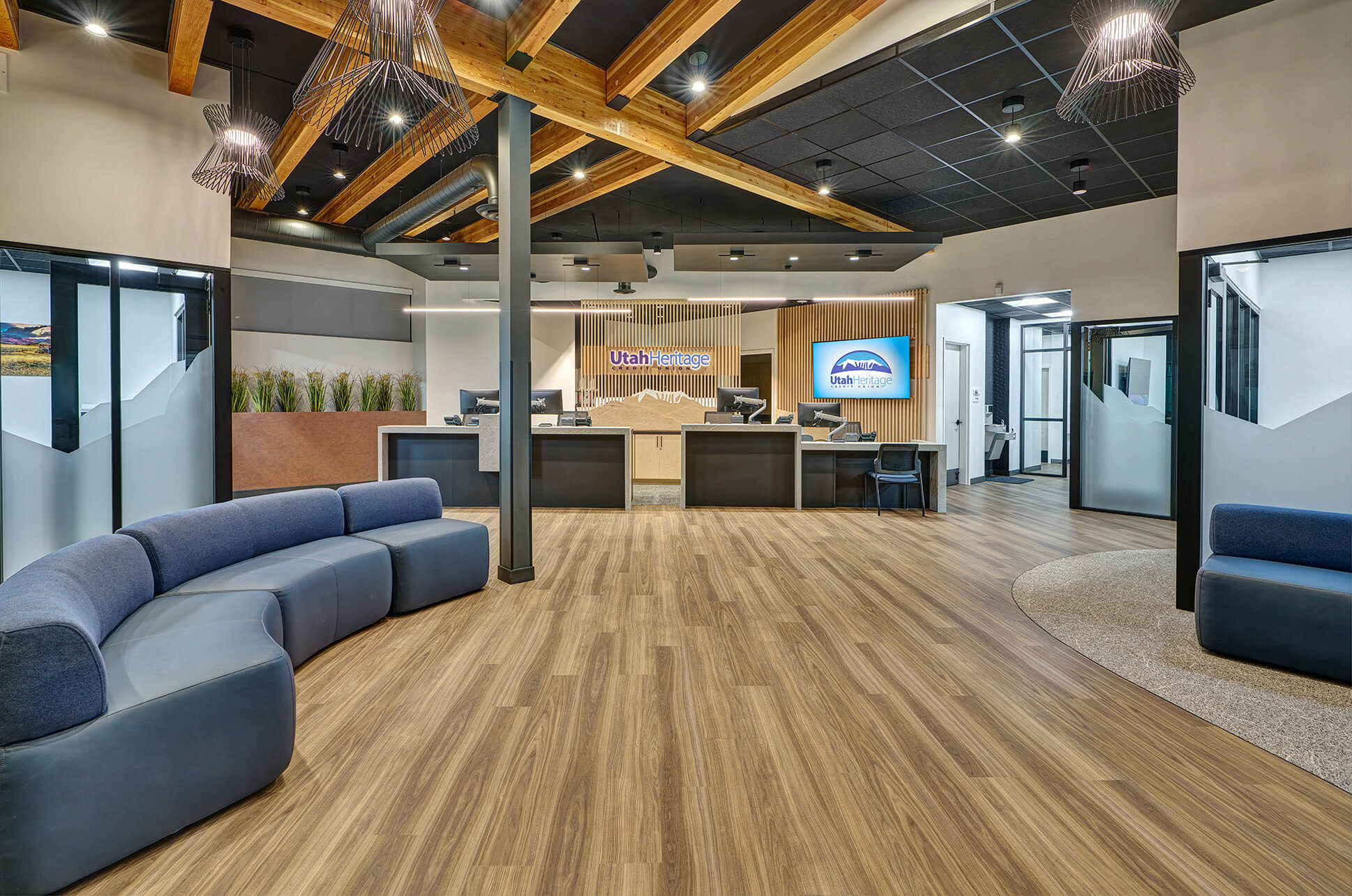
Building for People: How Design-Build Transforms Growth
For more than two decades, Patrick Sende, CEO of Integrated Builders Group (IBG), has dedicated his career to helping credit unions translate their growth strategies into spaces that inspire members and empower staff. His path into the industry wasn’t a straight line—Sende began in aerospace and structural systems—but as fate would have it, a door opened to a new kind of challenge: design-build for credit unions.
“I was drawn to the integrated process,” he recalls. “It’s not ‘just design’ or ‘just build’—it’s combining them into one process, which creates better solutions for all parties involved.”
That combination has shaped IBG’s approach: aligning strategy, design, and construction into a single line of accountability. For credit unions navigating growth, Sende believes design-build is more than a project delivery method—it’s a way to avoid costly pitfalls, save time, and create spaces that serve both staff and members.
The Big Questions Credit Unions Face
When credit unions first consider a branch build, expansion, or headquarters project, leaders often know their goals—grow assets, reach new members, or refresh their brand—but they don’t always know the steps to get there.
“They’re asking: Where do we start? Do we expand in our current market or leap into a new one? How much will it cost? How long will it take?” Sende explains.
These questions are crucial, but they also highlight a common challenge: credit union leaders are financial experts, not construction experts. That’s where IBG steps in. Through comprehensive feasibility studies and facility strategies, IBG helps leaders connect their business goals to a clear, actionable plan for their branch projects.
Why Design-Build Works
The traditional design-bid-build approach places owners, architects, and contractors in separate silos—often leading to gaps, misunderstandings, and costly change orders.
“In design-bid-build, the contractor is incentivized to bid low to win the work, then make it up later with change orders,” says Sende. “It creates what I call a vicious triangle of conflict between owner, architect, and contractor.”
Design-build eliminates that triangle. Under IBG’s model, the architect and subcontractors work directly for the design-builder, creating a single line of accountability. This structure fosters collaboration, reduces surprises, and keeps projects aligned with budget, schedule, and scope from day one.
“It doesn’t mean there aren’t changes during construction,” Sende notes, “but because we’re involved from the very beginning, we can anticipate risks, mitigate them, and deliver a project that truly fits the client’s needs.”
Specialization Matters
Not all projects are alike. Credit unions have unique requirements—security systems, cash handling infrastructure, regulatory compliance, and technology integration—that demand more than general construction knowledge.
“A retail store or a restaurant has a very different set of needs than a financial branch,” says Sende. “Credit unions benefit from working with a partner who understands those nuances without having to be taught along the way.”
By specializing in credit unions, IBG brings both efficiency and foresight, allowing executives to focus on their members rather than explaining industry basics to a general contractor.
Beyond Order-Taking: Acting as Consultants
According to Sende, IBG’s real differentiator isn’t just process—it’s philosophy. Some firms dictate solutions; others act as order takers. IBG instead positions itself as a consultant.
“We know our specialty, but we also know the client must make the final business decisions,” he explains. “Our job is to present options, make recommendations, and give them the tools to decide what’s best for their organization.”
That consultative approach allows IBG to tailor projects around what matters most: scope, schedule, and budget. Whether a client needs a showcase branch in a new market or a cost-sensitive renovation, IBG aligns its work with the client’s priorities.
Designing for People, Not Pictures
Ultimately, Sende believes success isn’t measured in flashy portfolios or awards—it’s in how the staff and members experience the space.
“We don’t design and build branches for the members directly. We design them for the employees who serve those members,” he says. “If staff feel comfortable, productive, and supported in their workspace, they’ll deliver better service. And that’s what drives growth for credit unions.”
For IBG, the goal is simple yet profound: create spaces that resonate with people and relationships that endure.