
Branch Construction: Build New or Renovate? Key Questions to Ask First
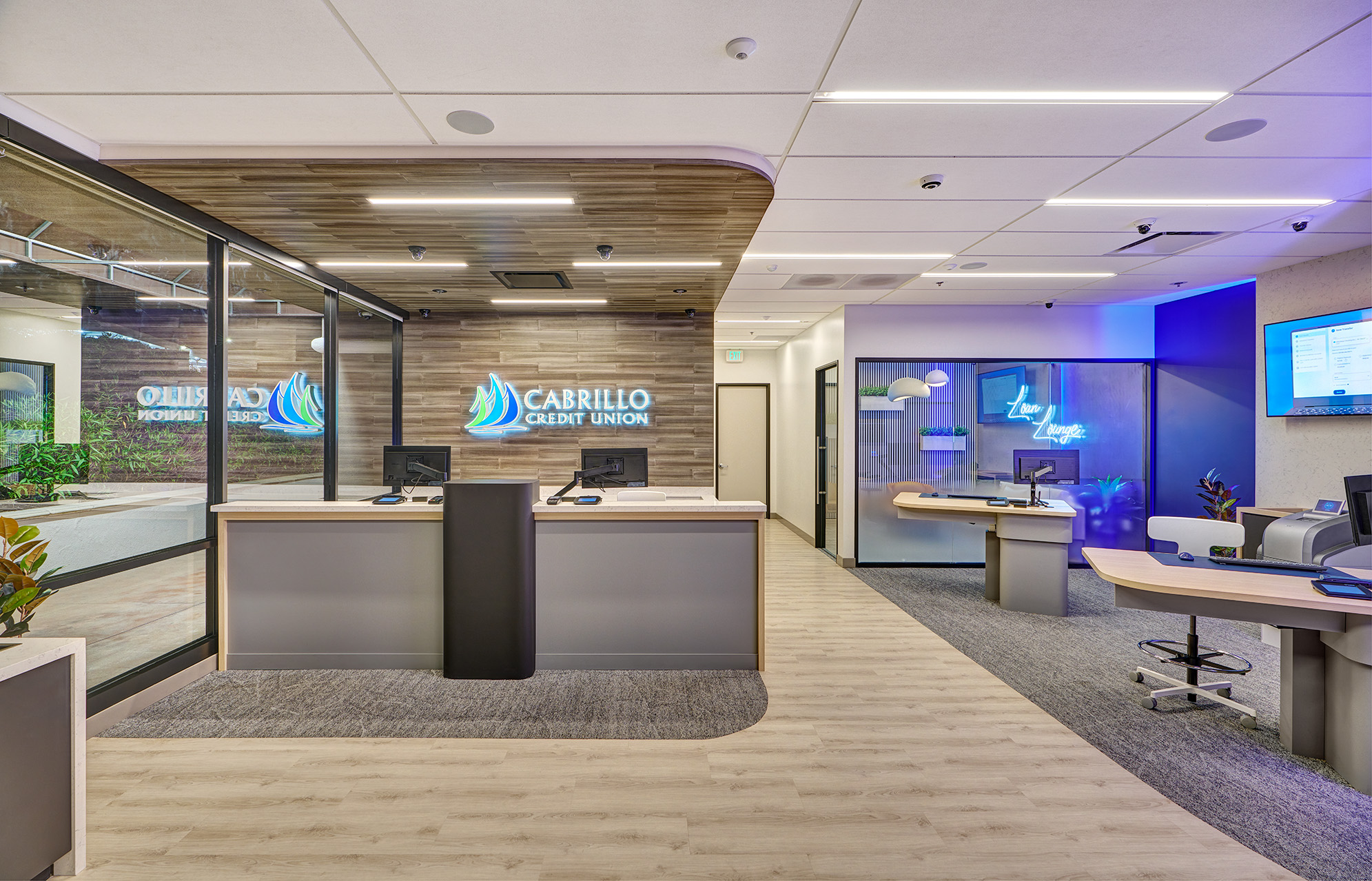
When a credit union reaches the point of asking “should we build a new branch or renovate our existing one?” it’s usually because something has shifted — membership is growing, the current space no longer reflects the brand, technology has changed how members interact, or the building itself is simply aging out. It’s a significant capital decision, and the right answer isn’t universal. It depends entirely on your institution’s situation.
Rather than prescribe a path, we’ve found that the best credit union branch decisions come from asking the right questions first. After more than 20 years of design-build construction experience with financial institutions, here are the questions worth sitting with before your leadership team commits to a direction.
START WITH STRATEGY
What is this branch supposed to accomplish five to ten years from now?
A credit union branch construction decision is really a strategy decision in disguise. Before you evaluate costs or square footage, get clear on where your institution is heading. Are you expanding into new markets? Consolidating branch locations? Investing in a flagship facility? The physical space you create should serve the credit union you’re becoming — not just the one you are today.
Does your current branch location still serve your membership?
Population shifts, commuting patterns, and member demographics change over time. A location that served your membership well a decade ago may no longer be where your members live, work, or want to do business. Branch renovation preserves your address; new branch construction gives you the opportunity to reconsider it entirely.
ASSESS THE EXISTING BUILDING HONESTLY
What would a full renovation of this facility actually require?
This question deserves a candid, professional answer — not an optimistic one. Credit union renovation projects have a way of revealing more than expected once walls open up. Aging mechanical systems, outdated electrical infrastructure, ADA compliance gaps, and structural limitations can quickly erode the cost advantages of renovating versus building a new branch. A thorough facility assessment before you decide is money well spent.
Can the existing footprint support the modern member experience you want to deliver?
Credit union branch design has evolved significantly. Teller lines have given way to universal banker pods and express tellers. Waiting areas are becoming financial wellness lounges. Poorly designed drive-throughs impact how parking lot traffic flows. If your current building’s bones can’t accommodate those changes without compromise, that’s important information.
How will a renovation affect your members and staff during construction?
Phased renovations in occupied branches create real disruption — noise, limited access, temporary relocations, and staff working in constrained conditions for months – unless proper phased planning is implemented. That disruption has a cost, even if it doesn’t show up on a budget line. It’s worth weighing honestly against the alternative.
THINK THROUGH THE FULL FINANCIAL PICTURE
What does the total cost of each path actually look like?
The upfront price of new credit union branch construction is often higher than renovation — but that gap can narrow considerably once you account for the full scope of a renovation: structural upgrades, MEP system replacement, code compliance work, soft costs, and the operational impact of building in an active branch. A true apples-to-apples comparison requires looking at total project cost, not just construction cost.
What does your existing property represent as an asset?
If you own your current building and land, that asset factors into the equation. Can the property be sold, leased, or repurposed in a way that offsets the cost of new construction? Or does the location hold enough strategic value that staying — and renovating — makes sense regardless? Consider also the possibility of sharing the space with another retailer, thus offsetting capital expenses.
How does each option affect your long-term operating costs?
A new, purpose-built credit union facility typically delivers better energy efficiency, lower maintenance costs, and longer intervals before major capital expenditures are needed. A renovated building — especially one with aging systems — may require continued investment. Factor lifecycle cost, not just upfront cost.
CONSIDER YOUR BRAND AND MEMBER EXPERIENCE
What does your current facility communicate to members and the community?
Your branch is a physical expression of your brand and your values. A dated, cramped, or inefficient space sends a message — even if it’s not the one you intend. Ask honestly: does this building reflect the financial institution you want members and prospective members to see?
What kind of first impression do you want your branch to make?
For many members, especially younger ones, the branch visit is increasingly rare and therefore more meaningful. When someone does come in, what should they feel? A thoughtfully designed new facility or a carefully reimagined renovation can both deliver a powerful member experience — but the path to that experience is different, and one may be more achievable than the other depending on where you’re starting from.
INFORMED DECISIONS LEAD TO EXCELLENT OUTCOMES
The credit union build-versus-renovate decision doesn’t have a universal right answer. We’ve helped credit unions make excellent choices in both directions. What distinguishes the successful projects isn’t the path chosen — it’s the rigor of the thinking that led there.
If your leadership team is working through this decision, we’d welcome the conversation. With more than 20 years of design-build construction experience serving financial institutions, we’ve helped credit unions navigate exactly these questions — and we’ve seen where the hidden costs and hidden opportunities tend to hide.